
The Expert Guide on How to Know If Land Is Suitable for Building
Buying land is different from buying a home. There's no inspection report, no seller disclosure of past repairs, and no straightforward way to tell whether a plot will support the home you have in mind. A parcel that looks right can become a costly problem if the soil won't percolate, the lot isn't zoned for residential use, or running utilities to the site exceeds your budget.
Most of these issues are discoverable before you commit, but only if you know what to look for. This guide walks through the key factors to assess when evaluating a plot of land, whether you're searching on your own or working with a builder who can help vet parcels in your target area.
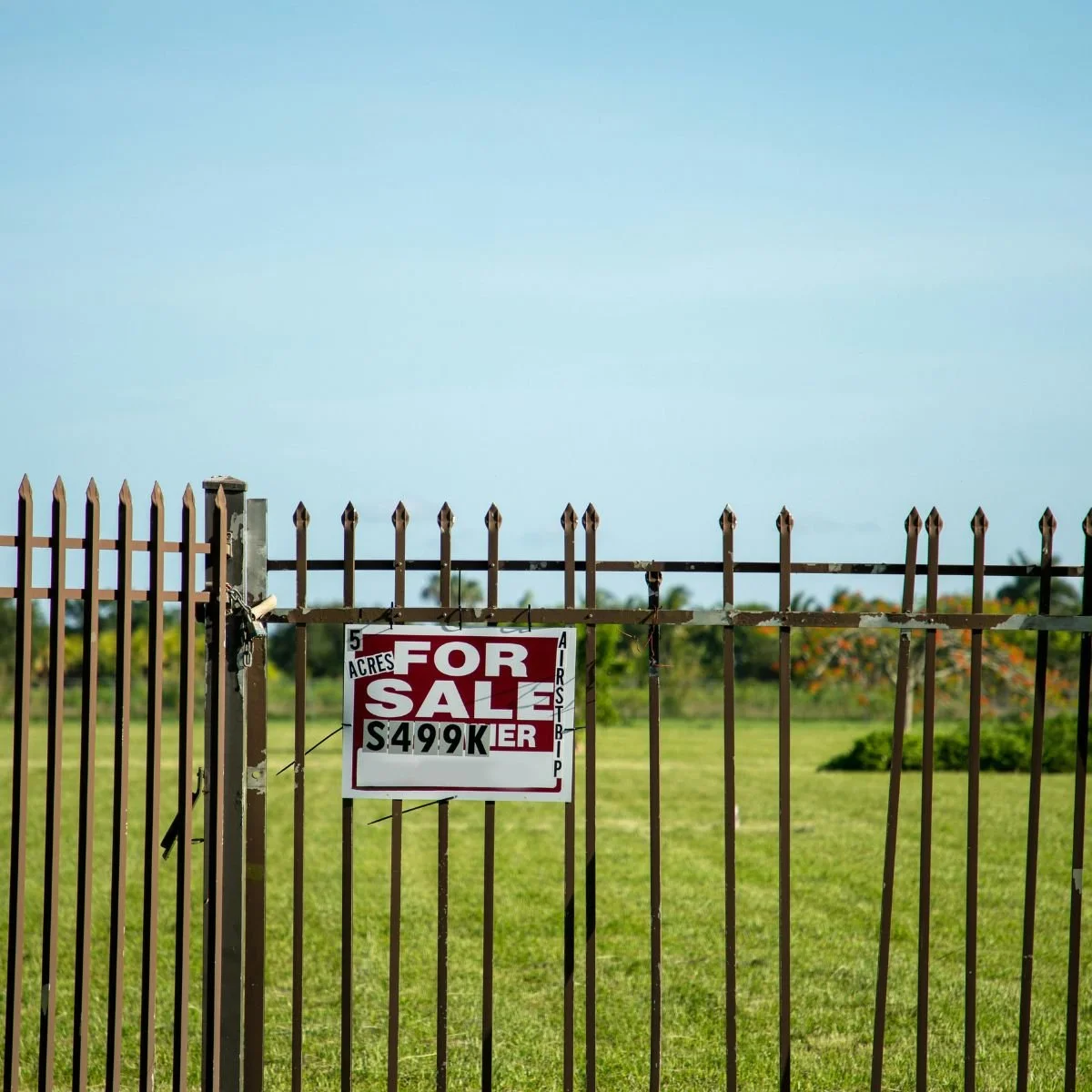
What makes a plot of land buildable?
Can you build on any piece of land? The short answer is no. Not every parcel of land can support a home. What makes a home “Buildable” requires certain criteria in residential construction. To meet the core buildable land requirements, the land must comply with residential zoning laws, support a foundation, be accessible by road, and be serviceable by utilities, either through municipal connections or on-site systems such as a well and septic.
Beyond paperwork, the utilities required to build a home must be viable, meaning the site can be connected to public water and sewer lines or can support an on-site private well and septic system. A lot can fail any one of these tests and still look perfectly fine from the street. That's why evaluation matters before purchase, not after.
The core buildable land requirements :
Residential zoning: The parcel must be zoned to allow a single-family home. Zoning ordinances vary by municipality and determine what can be built, how large, and how close to property lines.
Stable soil: The ground needs to support a foundation without excessive settling. Soil composition also determines whether a septic system is feasible on sites without municipal sewer access.
Utility access: Water, electricity, and sewer (or a viable alternative) must be reachable at a cost that fits your budget.
Site access: The property needs a legal means of entry, whether by an existing road or a driveway easement across neighboring land. For a modular home specifically, the delivery route matters too. The transport truck and crane need sufficient road clearance, and any low bridges or weight-restricted roads between the factory and your site need to be identified in advance.
Manageable topography: Extreme slopes, low-lying areas, or sites with poor drainage add excavation and grading costs and can limit where a home can be placed on the lot.
Key factors to evaluate before buying land
Knowing how to choose the right plot of land requires a deep dive into both legal boundaries and physical geography. This land evaluation checklist breaks down exactly what to look for when buying land to protect your construction budget and ensure your project is viable.
Zoning and land use regulations
Start by confirming the land is zoned for the type of home you want to build. Zoning ordinances vary by municipality and determine what can be built on a given parcel: residential, commercial, agricultural, or mixed use. Within standard residential zoning laws, there may be further rules on lot size, setbacks, building height, or the number of structures allowed on the property.
If you are looking at land in Upstate New York, for example, navigating residential zoning in Saratoga, NY, requires a close look at municipal master plans and checking for specific setback requirements dictated by property lines. A modular home is treated the same as any stick-built single-family home under local zoning law, so the questions are the same ones any new home buyer would ask.
Contact the local zoning or planning office to confirm the parcel's classification and ask about the specific permit requirements for building a home, as well as whether your intended build would require any variances or special permits. To better understand how these building methods stack up structurally, you can read about the core differences between stick-built and modular homes on our resources page.
Additionally, always check for hidden building restrictions on land. If the plot sits within a managed community, strict HOA restrictions on building homes can regulate everything from your exterior color palette to minimum square footage requirements.
Checklist - what to look for when buying land:
Zoning classification: Is the lot zoned for single-family residential use?
Setback requirements: How close to property lines can you build?
Minimum lot size: Does the parcel meet the minimum for a residential build?
Deed restrictions or easements: Are there covenants that limit how the land can be used?

Soil quality and perc testing
If the property cannot connect to a municipal sewer system, your home will require a septic system, and the soil has to support one. For this to happen, the soil quality for buildingmust meet strict environmental standards. A percolation test (perc test) measures how quickly water drains through the soil and determines whether the land is suitable for a conventional septic system.
A failed perc test doesn't automatically disqualify land. Alternative systems exist for challenging conditions, but they cost more and add complexity. Expansive clay or high water tables can complicate structural work and affect long-term stability. If perc testing hasn't been done on the parcel, make it a condition of the purchase agreement.
Lot orientation and topography
The natural topography of land affects both construction costs and how the finished home sits and feels. When analyzing a lot, pay close attention to the land slope and grading. A steeply sloped lot requires grading or a specialized foundation. Hidden land drainage issues can cause water to pool near the foundation. Low-lying parcels sometimes fall within FEMA flood zones, which carry insurance requirements and may restrict construction.
Lot orientation matters for livability: south-facing lots get more natural light, which affects heating costs and interior comfort. A site visit in different weather, particularly after rain, can reveal drainage patterns that photographs won't show. Learn more about how your lot's unique dimensions impact the layout in ourcomprehensive custom modular home design guide.
Utilities and site access
Utility availability directly impacts your site budget, and those costs often aren't reflected in the land price. Confirming the specific utilities required to build a home is a critical step in any land-buying checklist for home construction. Before purchasing, make sure you know the specifics of each utility.
-
Is there municipal service or a private well? If a well is needed, what's the typical depth in the area?
-
Is a municipal connection available, or will you need to install a septic system?
-
How far is the nearest line, and what will it cost to extend service to the building site?
-
Is natural gas available, or will the home run on propane?
-
Can the lot be reached by an existing road, or does access require building a driveway or securing an easement?
Site prep and utility costs are among the most underestimated expenses in new home construction. If you have questions about what's typically included in a Farrell home versus what falls under site costs, our FAQ page is a good starting point, or get in touch directly.
Environmental considerations
A few environmental issues can delay or stop a build entirely. Check the parcel for:
Wetlands: development near wetlands is regulated at the state and federal levels. Even a small designated wetland area can limit where you're allowed to build.
Prior use: land used for farming, industry, or commercial purposes may have soil contamination requiring remediation before residential construction.
Underground storage tanks: older agricultural or commercial properties sometimes have buried tanks that require removal.
A Phase I environmental assessment is standard for commercial purchases; for residential land, it's less common but worth considering if the parcel has any prior non-residential use history.
Title and survey
Before closing, have a title search conducted to confirm the seller has clear ownership and that there are no outstanding liens or encumbrances. A survey establishes exact parcel boundaries and can surface encroachments or discrepancies between the legal description and what's on the ground. This is particularly relevant with raw land, where boundary questions are more common.

Common mistakes to avoid when buying land
Understanding common mistakes when buying land is the first step toward protecting your investment. While purchasing a plot feels like an exciting clean slate, the physical and legal risks of buying land without proper due diligence can completely derail your home-building timeline.
To avoid costly mistakes, here is a breakdown of exactly what to watch out for and how to avoid problems when buying land altogether.
Buying land without utilities in place. A parcel without confirmed water, sewer, or electric access can add tens of thousands of dollars to your build before construction even starts. Always get utility cost estimates before signing.
Skipping a land survey. Property lines on raw land are often unclear, and neighbors' fences, driveways, or outbuildings don't always reflect the legal boundary. A survey before purchase prevents disputes later.
Ignoring zoning restrictions. It's not enough to know a parcel is "residential." Setback rules, minimum lot sizes, and HOA restrictions can affect where on the lot you can build, how large the home can be, and what outbuildings are allowed.
Underestimating hidden costs. The land price is only part of the picture. Site excavation, well and septic installation, utility extensions, clearing, grading, and driveway construction are all separate expenses that can significantly change your total project budget.
Overlooking drainage. Lots with drainage problems can lead to water infiltration, foundation movement, and ongoing maintenance. Drainage deserves the same scrutiny as soil and zoning.
Buying without a contingency clause. Never purchase raw land without building contingencies into your purchase agreement. At a minimum, include contingencies for perc test results, financing, and zoning confirmation. If any of these fall through, a contingency clause lets you walk away without losing your deposit. Buyers who skip this protection often discover a problem only after they're legally committed to the purchase.
Skipping professional input. Buyers who forgo a builder, surveyor, or site engineer before purchasing often find the problem only after they're committed. A pre-purchase site assessment is a small cost compared to buying land you can't build on the way you planned.
How Farrell Homes helps you choose the right land
Evaluating land requires coordinating input from multiple sources: the local zoning office, a surveyor, a site engineer, and a builder who understands what the land needs to support the home you want. Doing that on your own is possible, but having a builder involved early can prevent costly missteps.
Should you talk to a builder before buying land? Yes. A builder who knows your target region can flag issues a general checklist won't catch. In Upstate New York, regional knowledge matters more than most buyers expect:
In the Capital District, zoning approval timelines and requirements vary significantly from one municipality to the next. A parcel in a rural township outside Albany can move quickly through permitting; one near a county road or agricultural district boundary may require an additional layer of county planning review.
In Saratoga Springs and the surrounding area, the region's mix of sandy soils and protected stream corridors means that site conditions vary considerably even over short distances. Some parcels perk easily and connect to municipal water; others require full well and septic system installation, with access routes that need to be evaluated for crane and delivery access.
In the Adirondacks, the Adirondack Park Agency adds a regulatory layer that doesn't apply elsewhere in the state. Setbacks from waterways, wetland buffer rules, and lot-size minimums are all governed by APA guidelines, in addition to local zoning. Terrain is also more challenging. Rocky, sloped sites, and limited road access are common and affect what modular delivery requires.
Farrell Homes works with buyers across New York, Massachusetts, Vermont, New Jersey, Connecticut, and surrounding areas. Our curated Lots and Home Packages program pairs available parcels with home plans so you can evaluate land, site costs, and home design together as one clear picture.
If you already have a parcel in mind, we can talk through what you're working with. If you're still searching, we can help narrow down what to look for based on the home you want to build.
Looking to buy land for your home? Get in touch. We can help.